

Migration Awareness & Integration
We Migrate Smart — Smarter, Safer Migration
Be part of the dialogue — from key migration insights to inspiring integration stories, learn, share, and connect.
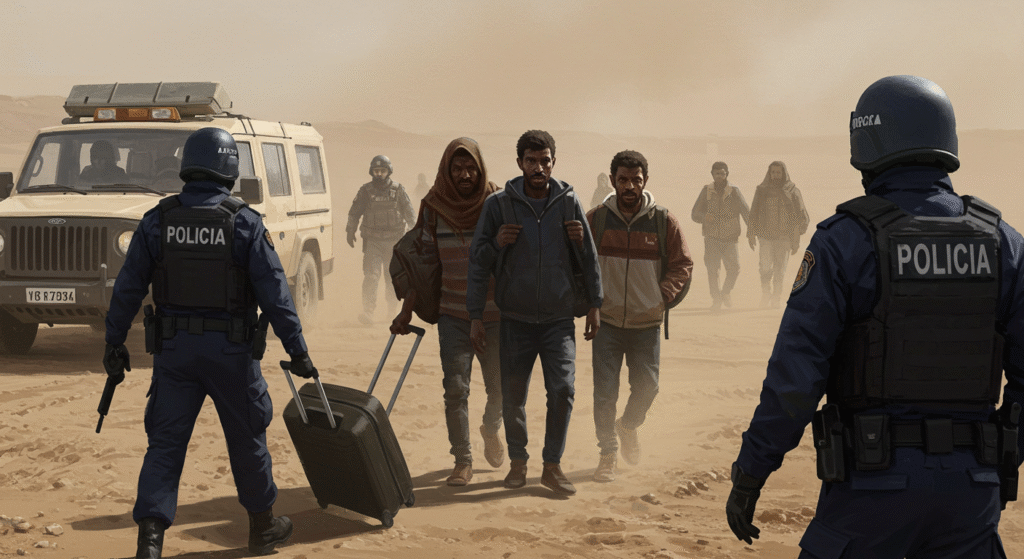
Avoiding the Pitfalls of Illegal Migration
No one should have to endure the hardships caused by illegal migration.
Learn MoreMigrating in a Challenging Way
Crossing borders without proper documents is one of the most common forms of illegal migration. This involves individuals attempting to enter a country by land, sea, or air without a valid visa, passport, or legal authorization. The reasons behind such desperate journeys often stem from poverty, conflict, persecution, or the hope for a better life. However, the path taken is usually filled with unimaginable hardships and dangers.
⚠️Challenges and Dangers
Those who engage in undocumented border crossings often face extreme physical and emotional challenges. Traveling long distances on foot through deserts, forests, or mountains exposes them to harsh weather conditions, hunger, dehydration, and exhaustion. Many risk their lives on overcrowded boats, attempting to cross dangerous seas, often without life jackets or safety equipment. The risk of drowning or getting lost at sea is tragically high. For those who travel by air with fake documents or attempt to hide in cargo holds, the journey can be equally fatal due to suffocation, freezing temperatures, or discovery by authorities.
Apart from physical risks, these individuals are also highly vulnerable to exploitation. Human traffickers and smugglers often take advantage of their desperation, charging large sums of money while offering no guarantees of safety. Women and children, in particular, are at risk of abuse, trafficking, or being abandoned mid-journey. In addition, those caught without proper documents may face arrest, detention, or deportation, and in some cases, they are treated inhumanely by authorities.
🛡️Preventive Measures
Preventing illegal border crossings requires a mix of compassion, effective policy, and cooperation between countries. Governments can invest in creating safer, legal pathways for migration, support development in origin countries to reduce the push factors, and strengthen border security in a humane and just way. Education and awareness campaigns can also inform people about the risks of irregular migration and offer alternatives. Ultimately, the goal should be to address the root causes of illegal migration so that individuals are not forced to risk their lives in search of hope and safety.
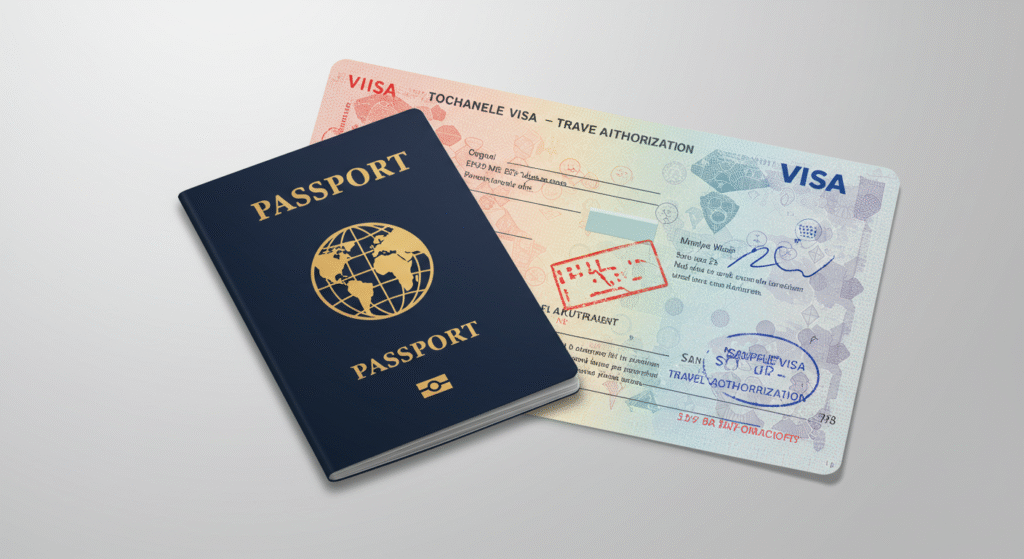
Migrating in a Challenging Way
Overstaying a visa is a form of illegal migration where an individual enters a country legally, often with a tourist, student, or work visa, but remains in the country beyond the allowed period. While it may seem less risky than crossing borders illegally, it still comes with significant hardships, legal consequences, and personal struggles.
⚠️Challenges and Dangers
Many people who overstay their visas do so out of necessity or desperation. They may find themselves in situations where returning to their home country means facing poverty, violence, or lack of opportunities. Others may hope to build a better life abroad, expecting to find work or stability. However, once their visa expires, they lose legal status and are no longer protected by the rights and benefits offered to lawful residents or visitors.
Living without legal status puts individuals in a constant state of fear and uncertainty. They may avoid public places, hospitals, or reporting crimes out of fear of being discovered and deported. Finding a job becomes difficult, and even if they do find work, it's often in informal sectors with poor pay and exploitative conditions. Without legal protection, they are vulnerable to abuse from employers or landlords who take advantage of their situation.
The mental and emotional toll of overstaying a visa can be overwhelming. Many live isolated lives, hiding from authorities, and constantly worrying about being caught. Some are separated from their families, unable to reunite due to their illegal status. If discovered, they may face detention, heavy fines, and deportation, often with a ban on re-entry for several years.
🛡️Preventive Measures
Preventing visa overstays requires better immigration management and support systems. Governments can improve tracking systems, offer timely visa extensions where appropriate, and provide clear, accessible information to migrants about their rights and responsibilities.
On a broader level, addressing the reasons people feel compelled to overstay—such as poverty, conflict, or lack of opportunity in their home countries—can help reduce the pressure to remain illegally. A more humane and structured immigration system, combined with international cooperation, can help ensure that people migrate safely, legally, and with dignity.

Migrating in a Challenging Way
Using fake documents to migrate is a serious and dangerous form of illegal migration. It involves individuals traveling with forged passports, visas, identification cards, or other official papers in order to enter or remain in a country unlawfully. This method may seem like a shortcut to opportunity or safety, but it comes with severe risks, both legal and personal, and often leads to a life filled with fear, instability, and hardship.
People who resort to using fake documents are often driven by desperation. They may come from countries where conflict, persecution, or extreme poverty leaves them with few options. In many cases, they are unable to obtain legal visas due to strict immigration policies or lack of access to necessary resources. As a result, they turn to document forgers or smuggling networks who promise them a way out—but at a very high cost, both financially and emotionally.
The journey of someone using fake documents is filled with anxiety. Every border checkpoint, airport, or random inspection becomes a moment of dread. The constant fear of being caught can lead to immense psychological stress. If discovered, the individual may face arrest, imprisonment, deportation, and even a permanent ban from re-entering the country. In some cases, they may also be prosecuted for identity fraud, which carries heavy penalties.
The use of forged documents also places people at risk of being exploited. Traffickers and criminals may use their vulnerable status to control or blackmail them. Without valid identification, it's difficult to access healthcare, education, or secure housing. Jobs, if found, are usually underpaid and exploitative, leaving them trapped in cycles of poverty and dependence.
Preventing the use of fake documents requires a multifaceted approach. Strengthening international cooperation to detect and dismantle document forgery networks is crucial. Countries can also invest in secure, tamper-proof identification systems and border technologies. At the same time, creating more accessible and fair legal pathways for migration can reduce the incentive for people to seek dangerous alternatives.
Education and outreach can help inform at-risk populations about the dangers of using forged documents, offering them support and safer options. Ultimately, addressing the root causes of irregular migration with compassion and understanding is key to building a system where no one feels forced to risk everything for a chance at a better life.
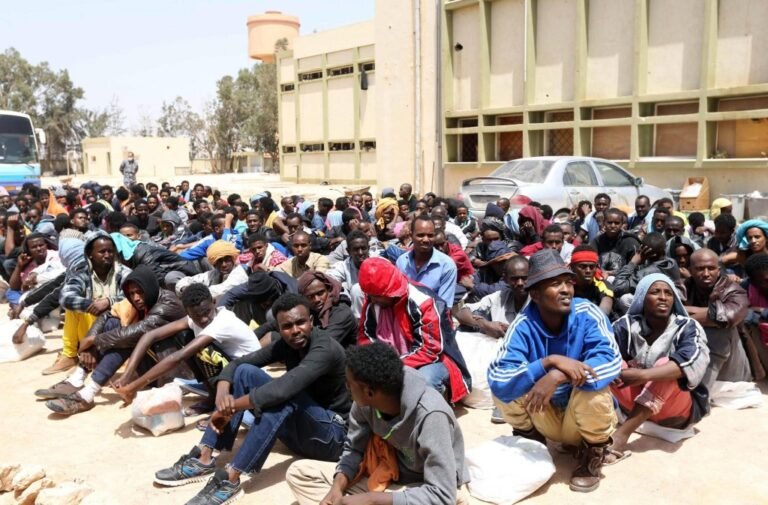
Migrating in a Challenging Way
Human Smuggling
Paying smugglers to secretly transport them across borders.
Human smuggling is a method of illegal migration where individuals pay smugglers to secretly transport them across borders, often in dangerous and inhumane conditions. It is a desperate choice made by people who feel they have no legal way out of poverty, violence, or persecution. While smugglers may promise a quick and safe journey, the reality is often filled with fear, abuse, and unimaginable hardship.
⚠️ Challenges and Dangers
People who turn to human smugglers are usually vulnerable and desperate, willing to risk everything for a chance at a better life. Smugglers exploit this vulnerability, charging large sums of money with no guarantee of safety. The journey is rarely straightforward. It can involve walking for days across harsh terrains, hiding in cramped vehicles, or being packed onto overcrowded boats unfit for sea travel. Many lose their lives in deserts, forests, or oceans, often without a trace.
Those who survive the journey face constant danger. They are frequently treated as cargo, not human beings. Smugglers may abandon them in the middle of nowhere, extort more money, or subject them to violence. Women and children are particularly at risk of sexual abuse and trafficking. Once across the border, life doesn't get easier. Without legal status, they live in fear of arrest or deportation and often struggle to access basic services like healthcare, shelter, or fair employment. The mental toll of such an experience can be lasting. Constant fear, isolation, and trauma haunt many who have been smuggled, leaving deep psychological scars. Additionally, if caught, migrants may face harsh legal consequences, including detention or deportation, and may be barred from seeking asylum or legal entry in the future.
🛡️ Preventive Measures
Preventing human smuggling requires more than strict border control. It calls for addressing the root causes that drive people to such extremes—conflict, poverty, political instability, and lack of opportunity. By creating safe and legal migration pathways, investing in international development, and improving access to information and support in high-risk regions, the appeal of smugglers can be reduced. Cooperation between countries to crack down on smuggling networks and protect vulnerable populations is essential. At the heart of it all, there must be compassion—a commitment to treat all people with dignity and to offer them hope without forcing them into the hands of those who profit from their suffering.
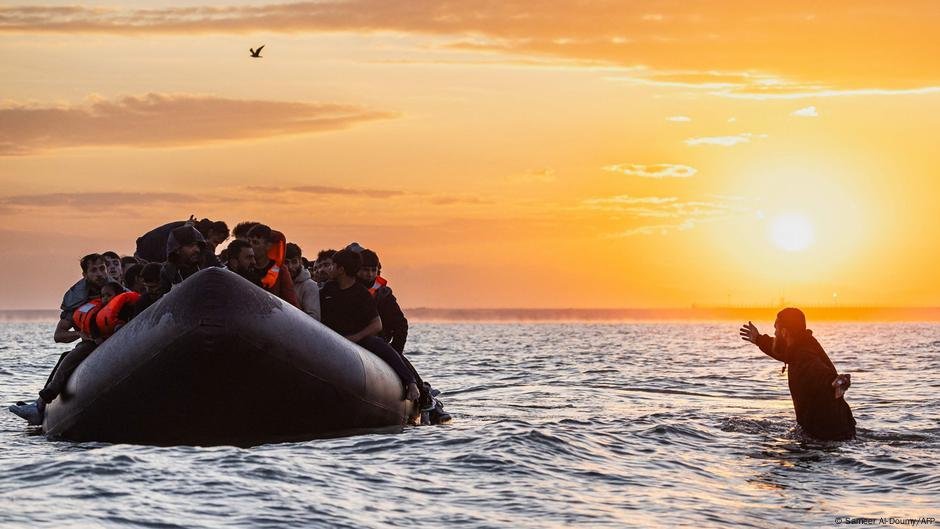
Migrating in a Challenging Way
Hiding during transport—often called stowing away—is one of the most dangerous and desperate methods people use to cross borders illegally. It involves secretly hiding in trucks, cargo containers, ships, or even the landing gear of airplanes in an attempt to enter another country without detection. For many, this choice is not made lightly. It is born from desperation, where the hope for a better life outweighs the fear of death.
⚠️Challenges and Dangers
Those who engage in this form of migration face unimaginable physical and emotional hardship. Conditions in concealed compartments are extremely harsh—there is no fresh air, limited space, and no access to food, water, or sanitation. In trucks and containers, people may be packed tightly, unable to move for hours or even days, leading to suffocation or severe dehydration. In ships, stowaways hide in the cargo hold or engine rooms, where extreme temperatures and dangerous machinery pose constant threats. The most perilous form is hiding in the wheel wells of airplanes, where temperatures drop below freezing and oxygen becomes scarce at high altitudes. Few survive such journeys.
Besides the physical risks, there is also the fear of discovery. Those who are found by authorities may be arrested, detained, or deported. In some cases, they are met with hostility or treated as criminals. Others are discovered too late, having died during the journey due to lack of oxygen, exposure to toxic fumes, or being crushed by heavy cargo. Their deaths often go unnoticed, hidden from the world, as they were in life. The emotional toll is just as severe. People who take such extreme risks often carry deep trauma, not just from the journey, but from the circumstances that led them to it. Fear, isolation, and the constant threat of death or capture weigh heavily on them. Even if they reach their destination, life remains uncertain. Without legal status, they struggle to access basic services and live in constant fear of deportation.
🛡️Preventive Measures
Preventing this form of migration requires a compassionate and comprehensive approach. It begins with addressing the root causes that push people to such extremes—poverty, conflict, persecution, and lack of opportunity. Better security and monitoring at ports, airports, and border crossings can help detect and deter stowaways, but prevention also means creating legal, safe, and accessible paths for migration. Education and awareness campaigns in high-risk regions can help people understand the dangers of stowing away and inform them of safer alternatives. Ultimately, no one should feel so hopeless that they must hide in the shadows just for a chance to survive.
Horrifying Risks of Illegal Migration
• Human Trafficking
• Death During Transit
• Organ Harvesting
• Exploitation & Abuse
• Psychological Trauma
⚠️ Human Trafficking
Human trafficking stands out as one of the most horrifying risks faced by individuals who engage in illegal migration. Often driven by desperation and the hope of a better life, migrants may fall into the hands of traffickers who exploit their vulnerability for profit. Trafficking is a form of modern-day slavery, where people are deceived, coerced, or forced into situations they cannot escape from—situations that rob them of their freedom, dignity, and basic human rights.
Many migrants begin their journey with the belief that they are simply paying someone to help them cross a border. However, once in the hands of traffickers, that initial agreement can quickly turn into exploitation. Passports or documents may be confiscated, and promises of jobs or safe passage are often lies. Migrants can be sold into forced labor, sexual exploitation, domestic servitude, or even used for criminal activities. Women and children are particularly vulnerable, often targeted for sexual trafficking or forced marriage.
The conditions trafficked migrants endure are brutal. They may be held in cramped, unsanitary spaces, subjected to physical and emotional abuse, starved, and stripped of any means of communication with the outside world. Fear, manipulation, and threats—sometimes against their families—are used to control them. Their lives become a cycle of exploitation with little hope for escape, as they are often in unfamiliar countries where they don’t speak the language and fear arrest or deportation.
Rescue and recovery for trafficked individuals is difficult and painful. Even when discovered by authorities, victims are sometimes treated as criminals rather than people in need of protection. The trauma they carry can last a lifetime, and reintegrating into society—especially without support—can be an enormous challenge.
The connection between illegal migration and trafficking is a global concern. It highlights the urgent need for safer migration pathways, stronger international cooperation, and awareness efforts to prevent traffickers from preying on the vulnerable. Governments, communities, and humanitarian organizations must work together not only to protect potential victims but also to dismantle the networks that fuel this cruel and inhumane trade. Every person deserves the right to live free from exploitation, and tackling human trafficking is essential in ensuring that right is upheld.
🩸 Human Organ Harvesting
Human organ harvesting is one of the most terrifying and inhumane risks that illegal migrants may be exposed to, yet it is often one of the least spoken about. In the shadows of illegal migration routes, where law and order are weak and desperation is high, organ traffickers prey on vulnerable people with no protection, no legal status, and no one to turn to for help. This cruel practice involves the illegal removal and sale of human organs, often from living victims who are deceived or forcibly operated on, sometimes without anesthesia or proper medical care.
Migrants become easy targets for organ traffickers because they are often traveling alone, undocumented, and out of contact with family or authorities. In many cases, they are lured with false promises—offered jobs, shelter, or safe passage—and then abducted or coerced. Some are told they are undergoing routine medical checks or surgery, only to wake up in pain and discover that an organ has been removed. Others are simply never seen again, their bodies discarded after being harvested for parts.
The organ trade is driven by the global demand for transplants, where long waiting lists in legitimate medical systems create a market for organs obtained through illegal means. Criminal networks capitalize on this demand, and in the lawless corridors of illegal migration, the lives of desperate people are treated as commodities.
The victims of organ harvesting not only lose vital parts of their bodies but also face severe health complications, infections, and, in many cases, death.
What makes this risk even more tragic is the silence and invisibility surrounding it. Migrants who survive such trauma often do not report it, fearing arrest, deportation, or disbelief. Some don’t even fully understand what has happened to them. Others are too traumatized or physically weak to seek help. Without identity documents, access to legal protection, or a support system, justice is nearly impossible.
Preventing this horror means addressing the vulnerabilities that allow traffickers to operate in the first place. Stronger international laws, better border protections, and humane migration policies can help reduce the number of people forced to turn to dangerous routes. Education and awareness campaigns can also play a role in informing potential migrants about the dangers they might face, including organ trafficking. Above all, society must recognize that every migrant is a human being with rights and dignity—and protecting them from such atrocities is a global moral responsibility.
⚰️ Death During Transit
Death during transit is one of the most harrowing and heartbreaking risks associated with illegal migration. For many who embark on these perilous journeys, the hope of finding safety, freedom, or opportunity is so powerful that they are willing to risk everything—even their lives. Yet, all too often, that journey ends in tragedy. Every year, countless migrants perish while attempting to cross deserts, seas, mountains, or borders in secret and unsafe ways, with little to no protection.
Migrants who travel on foot across vast deserts face extreme heat during the day and freezing temperatures at night. With limited access to water or food, dehydration, heatstroke, and exhaustion claim many lives. In some regions, bodies are found scattered across remote landscapes, long after hope of rescue has passed. The sea poses an even greater threat. Overcrowded, makeshift boats with no navigation systems or life-saving equipment are often used to cross dangerous waters. Many of these vessels capsize or sink before reaching their destination. The Mediterranean Sea, for example, has become a watery grave for thousands of migrants trying to reach Europe.
Others hide in trucks, containers, or even airplane cargo holds, enduring suffocating, cramped conditions. Many die from lack of oxygen, extreme temperatures, or being crushed under heavy cargo. Their deaths are often discovered too late—sometimes only after a vehicle arrives at its destination.
The horror of such deaths lies not just in their suffering, but in their silence. Many of these individuals die anonymously, their stories untold and their dreams unfulfilled.
These tragedies are made worse by the fact that they are largely preventable. Migrants take these dangerous paths not out of choice, but because safe and legal avenues are blocked or unavailable to them. They flee war, poverty, persecution, and hopelessness, clinging to the belief that somewhere, a better life awaits. Their deaths reflect the failure of systems meant to protect human life and uphold dignity.
Preventing these deaths requires more than border enforcement—it requires compassion, cooperation, and change. Governments, international bodies, and communities must work together to provide safer, legal alternatives for migration. Humanitarian corridors, resettlement programs, and fair asylum processes can help reduce the reliance on smugglers and dangerous routes. Ultimately, every migrant lost in transit is a painful reminder of the human cost of desperation—and a call to build a world where no one has to die chasing the promise of hope.